Harvesting rainwater from rooftops could help reduce urban heat and reliance on air conditioning, according to research from The University of Manchester.
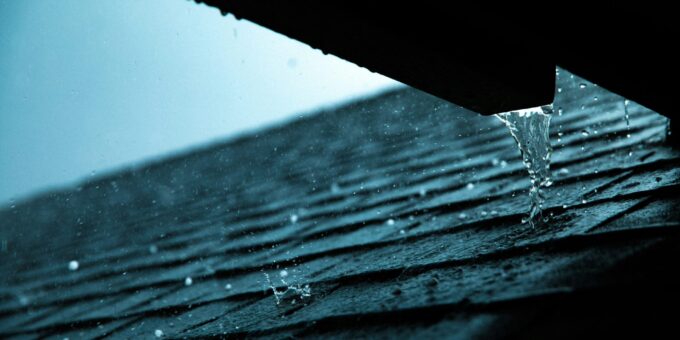
Published in Earth’s Future, the study modelled a system in Tokyo that stores rooftop rainwater and sprays it onto buildings when roofs become hot. Cooler roofs transfer less heat indoors, reducing air-conditioning demand and the waste heat released into cities.
Researchers found that when sprinklers were activated was more important than tank size or the amount of water used. Very large tanks offered only modest additional benefits, while excess water did not necessarily provide more cooling because some remained on the roof instead of evaporating.
The approach could become increasingly useful as extreme heat intensifies. Rainwater tanks can also reduce stormwater runoff and flooding.
Air conditioning already uses around 7 per cent of global electricity, and demand is expected to rise as temperatures increase. It also contributes to the urban heat island effect by releasing heat outdoors.
Other passive solutions can help too. A 2024 UCL and University of Exeter study found that widespread reflective “cool roofs” could have lowered London’s average summer temperature by around 0.8°C during the hot summer of 2018.
Together, rainwater cooling and reflective roofs could help cities reduce heat stress, energy demand and the impact of heatwaves.