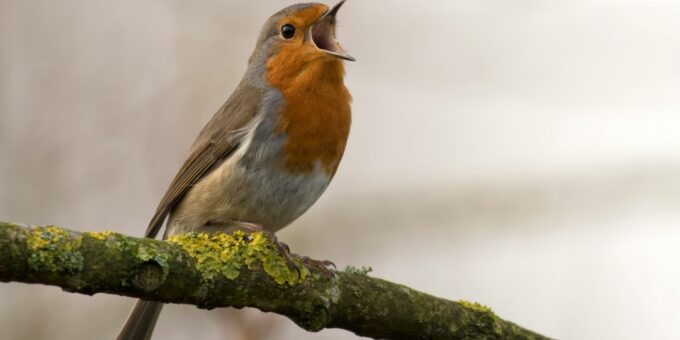

France’s insect-eating birds, including blackbirds, blackcaps, and chaffinches, are showing early signs of recovery following the EU’s 2018 ban on neonicotinoid pesticides, with populations rising 2%-3% by 2022. Full recovery may take decades due to the chemicals’ persistence in soils.
The study analysed data from over 1,900 sites, finding that sites previously treated with neonicotinoids had 12% fewer insectivorous birds. Generalist species, like wood pigeons, were less affected. Other insect-eating animals, including bats and small mammals, may also benefit.
Neonicotinoids, introduced in the 1990s, contributed to mass bee die-offs and affect insects even at low doses. Experts say sustainable farming and habitat restoration are key to further recovery, while highlighting ongoing concerns about pesticide impacts worldwide and the need for stricter regulation.
Photo ©️ unsplash.com