
Forty years after the 1986 Chornobyl nuclear disaster, the exclusion zone in Ukraine remains unsafe for humans but has become an unexpected wildlife refuge.
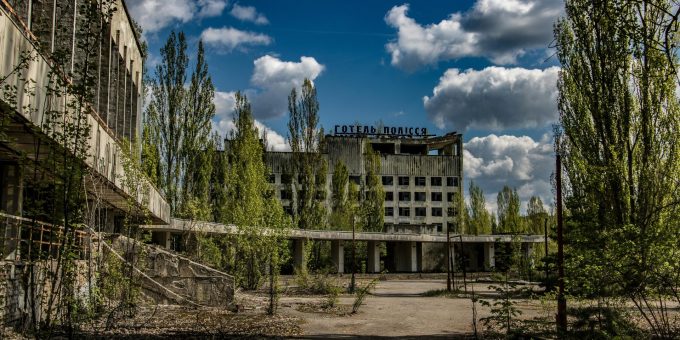
With people evacuated after the explosion spread radiation across Europe, nature gradually reclaimed the area. Forests now cover abandoned towns, and wildlife has returned in large numbers, including wolves, lynx, moose, deer, and even brown bears after more than a century of absence.
Przewalski’s horses, once extinct in the wild, were introduced in 1998 and have adapted successfully, forming small herds and using abandoned buildings for shelter. Their reintroduction is widely seen as a conservation success.
Scientists observe some radiation-related effects in wildlife, but no widespread population collapse. In recent years, however, war-related activity has caused fires and environmental damage, adding new pressures to the ecosystem.
Despite these challenges, the Chornobyl zone remains a rare case of large-scale ecological recovery, where human absence has allowed nature to re-establish itself in a heavily altered landscape.